









Hello, your privacy is important to us. Uniview websites use cookies to store info on your device and create the most secure and effective website . By continuing to use our websites, please accept the cookies could be stored on your device, which outlined our cookie policy and privacy policy .








_1036463_651984_0.png)






 X
X
 GLOBAL / ENGLISH


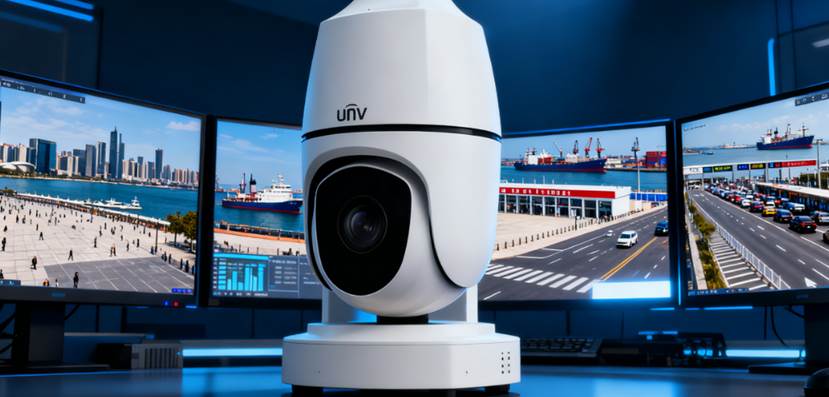
In the field of professional video surveillance, your skill to watch changing surroundings depends on picking the correct Pan-Tilt-Zoom (PTZ) setup. These cameras stand out because they give broad area coverage and sharp zoom features without losing picture sharpness. If you protect a town square, handle edge security at a port, or keep an eye on busy road crossings, a good PTZ choice can greatly improve how things run and help you understand situations better.
Before we look at product types and real-world uses, it helps to grasp what makes this tech special—and why top companies like Uniview get picked by experts for key jobs. They lead in new ideas for network video setups and offer many imaging options that fit from basic to tough tasks. If you seek a solid teammate in smart video tools, their range gives a full setup with worldwide help and deep know-how in different markets.
PTZ systems get built to bring mechanical ease and clear optical work that fixed-lens tools can't match. The main part of how they work is their power to move side to side, up and down, and zoom with lenses—giving live control over big spaces without moving the gear.
Besides simple motion, linking with main video management software lets these cameras join a wider network. You can set them to react to set events, pair with views from several cameras, and start warnings based on movement or edge breaks. As MultiView products take just one IP address and can show various pictures on separate screens, they cut down on data use and make control room tasks easier.
One key element is the way zoom gets managed. Optical zoom keeps picture sharpness by changing the real lens parts, while digital zoom blows up pixels after recording—often making image quality worse. For watching jobs that need details from far away, optical zoom stays a must-have.
Picking the best PTZ type begins with what your work requires. City watching might need strong zoom levels to check public spots without gaps. On the other hand, key buildings could gain more from exact following and tough weather shields.
Light levels matter a lot too. Dark places need tech like wide-opening lenses and smart image processing. For example, Colorhunter with Wise ISP technology makes sure of full-color pictures around the clock, which lifts results in bad light a great deal.
Weather toughness counts as well. Cameras ought to get rated for hit resistance (IK10) and water/dust protection (IP66/IP67) to handle outside weather. Plus, network fit and simple linking to current setups—through rules like ONVIF—make sure of easy setup.
The collection goes from easy-to-get choices for everyday use to top-notch units made for special areas. Basic models stress bendability and low cost, while middle-level ones add better zoom distances and simple smart tools.
Top-level gear comes with smart following, break-in spot checks, and people tally features. Drawing from target sorting, smart break-in stopping can cut down wrong alerts from things like leaves, birds, or lights, and lock onto people, cars, and other vehicles right. This fine-tuning cuts needless actions.
Every model backs ONVIF rules and links with other brands—making sure your camera network fits into a larger setup no matter what choices come later.
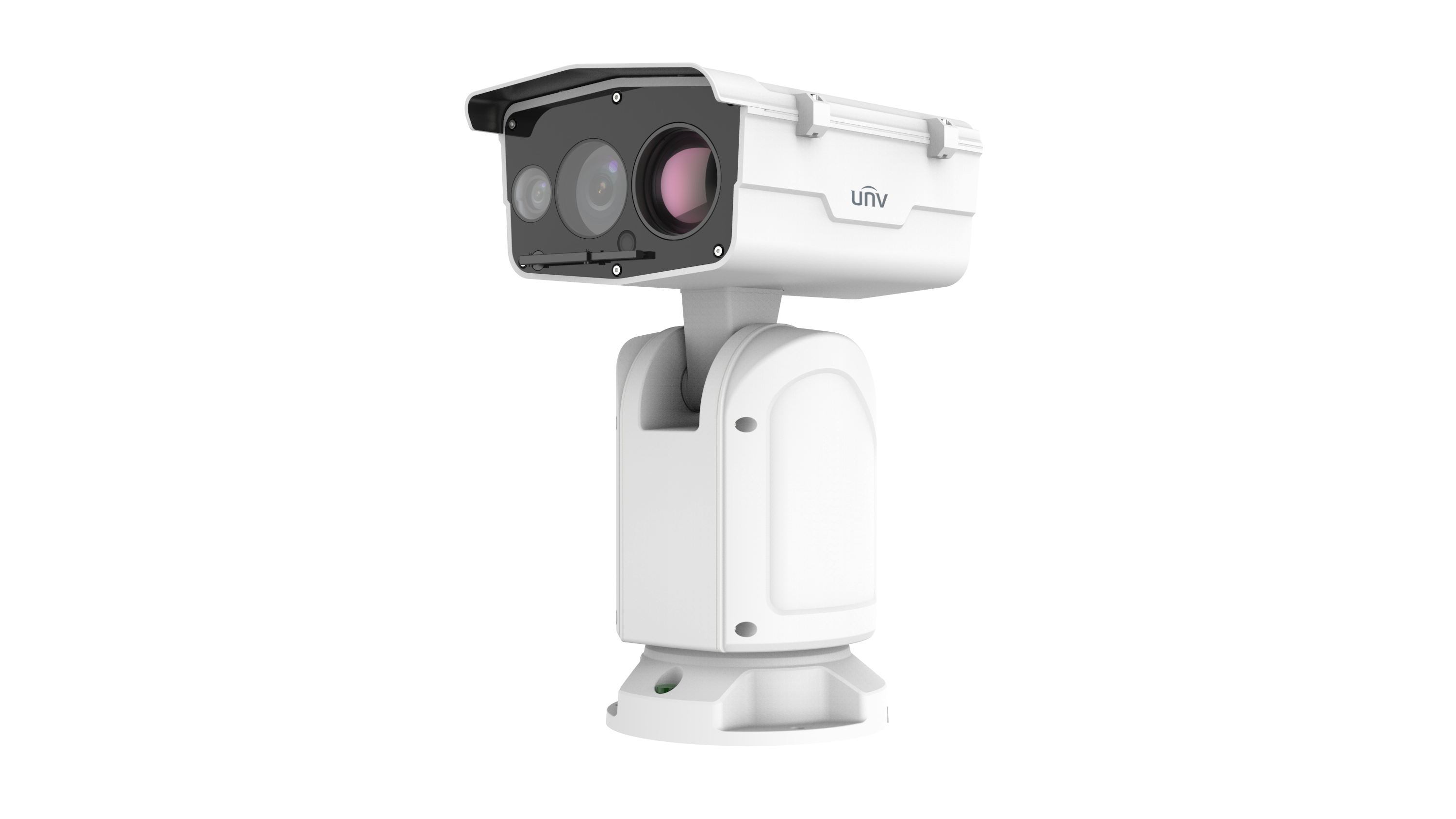
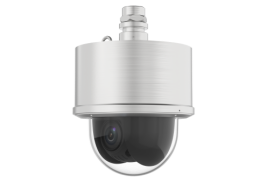
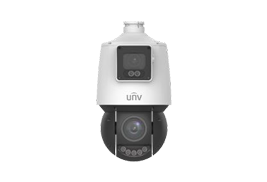
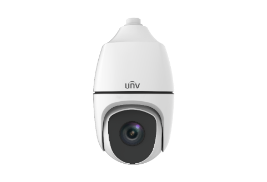
The Pro Series brings up to 45x optical zoom with high-detail sensors up to 4K. Pro Series is the highest level of UNV PTZ cameras with professional features oriented to vertical markets, such as 45x optical zoom, gyroscope, and optical defog. This lets you grab small details like car tags or odd objects from far off without hurting sharpness.
Smart following uses item sorting to keep eyes on moving goals in tricky scenes. Paired with event-based recording and warning sends through main VMS setups, these tools give quick fixes in events without hand-on watching.
You will also gain from work-grade design: IP66-rated shells for dust and water block, IK10-rated covers for break-in shield, and inside temp control via built-in heat and cool parts.
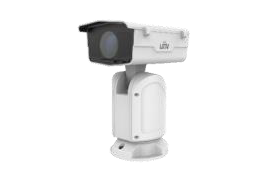
While usual PTZ cameras depend on turn limits and set scan paces, positioning systems give better mechanical quickness and steady area watch. The Positioning System fits best for places where fast replies and full 360° view awareness matter most.
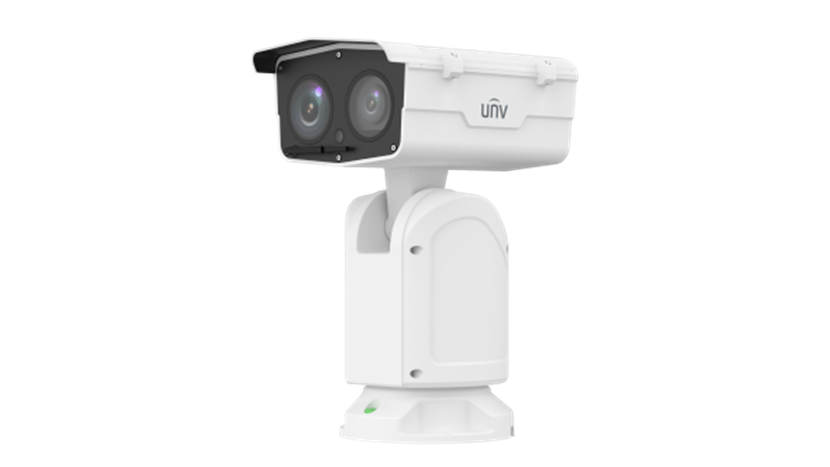
Perfect choice for monitoring large open areas such as border security, harbor, and city monitoring projects, these devices feature endless horizontal rotation paired with ultra-fast tilt speeds—perfect for unpredictable or fast-moving scenarios.
Fast gimbal motors let quick direction changes while holding sight on the goal. This means fewer missed pictures during move following—key for logging events or live reply team work.
Fitted with laser IR light that reaches up to 1000 meters in the dark, these setups keep sight even in huge or lightless spots like shore lines or landing strips.
You will see these setups as very useful in edge security tasks: from airport paths to dock sites. Their mix of speed, reach, and auto work makes them a strong help in any spot where live watch over a wide land is a must.
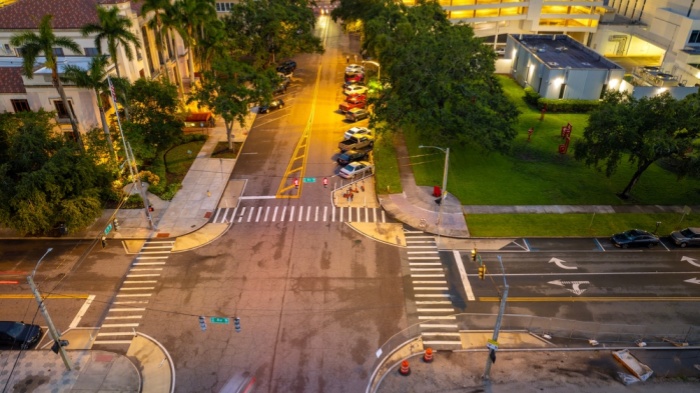
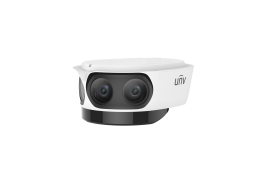
Town settings need broad-area watch while cutting setup numbers. Strong-zoom types can check big squares or roads from one spot—lowering the count of units while still giving close details when required. Panoramic cameras can provide a wider field of view, capturing images of the entire area and reducing blind spots—a useful adjunct when paired with PTZ tracking solutions.
For road control centers, camera pictures must link with ITS tools for auto car tag spotting and road event labels. Lens clearness from far ensures right tag reads even in hard spots like night or mist.
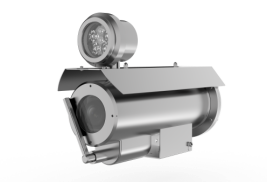
Plants, power stations, and shipping centers all bring their own issues due to how they look and work dangers. Break-proof boxes with smart break-in spot checks help guard main areas without adding staff load.
Before-sale tech advice gets skipped often—but stays important. With reach to CAD plans, SDKs/APIs, and setup drawings fit to your job size, you can make sure of a smooth start from plan to rollout.
Long-run setup strength gets kept through software fixes, far-off checks, and promise choices fit for business-level hopes. On-site fixes can get set via trained techs in team with local sellers—cutting stop risks.
If you are set to lift your watch setup with top imaging tools, getting in touch is simple. Special advice paths open via the official website or local offices where skilled workers give site checks and aid in making custom setups that match work aims.
Q: What’s the difference between optical zoom and digital zoom in PTZ cameras?
A: Optical zoom adjusts the lens physically to magnify an image without loss of quality, whereas digital zoom enlarges pixels after capture—resulting in reduced clarity.
Q: Can these systems operate effectively in extreme weather conditions?
A: Yes. Many models feature IP66/IK10-rated enclosures along with built-in heater/fan modules for reliable performance across harsh climates.
Q: How can I ensure compatibility with my existing video management system?
A: These cameras support open protocols such as ONVIF and come with SDKs/APIs for integration into most modern VMS platforms.